
Pressure Relief Valve
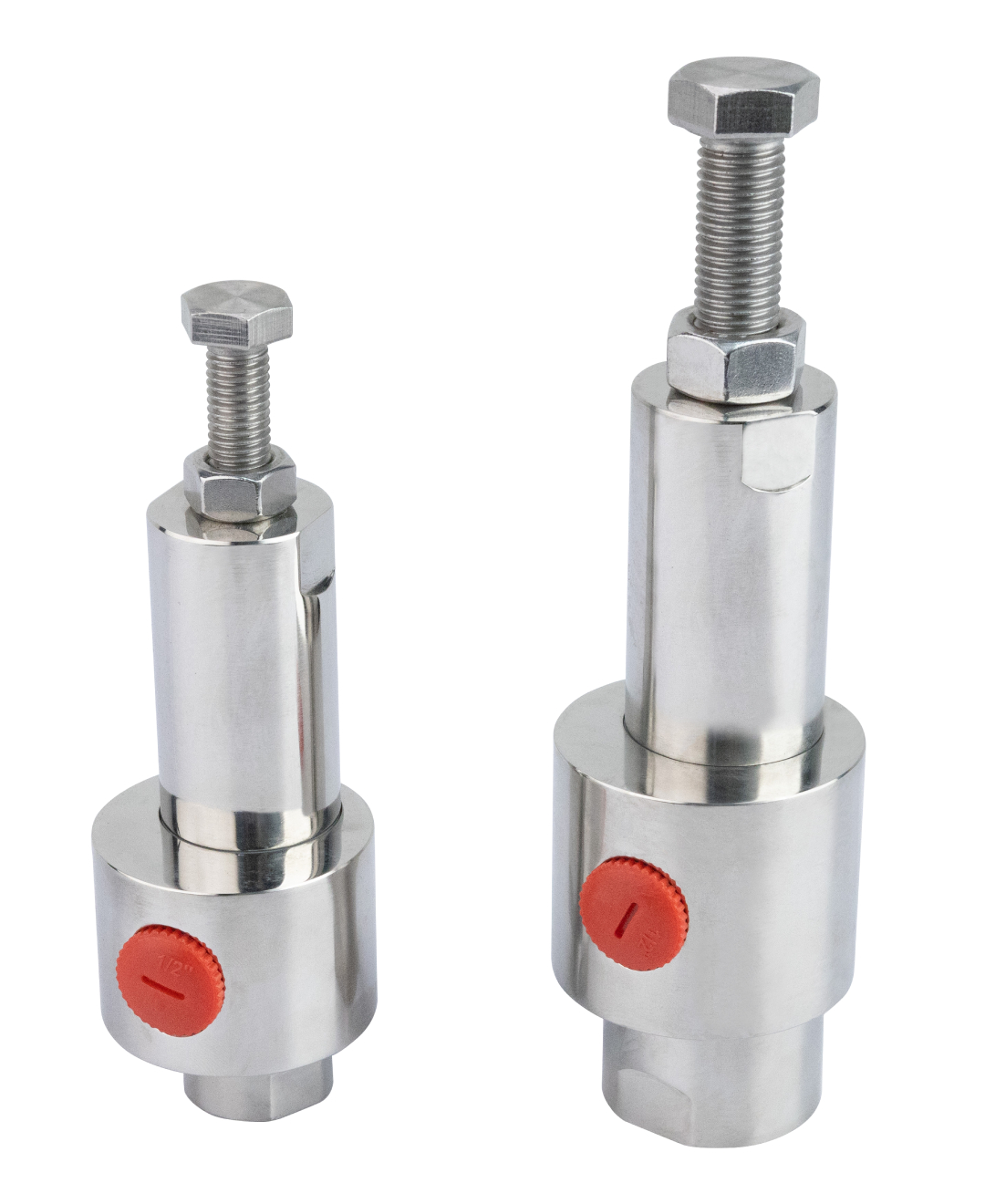
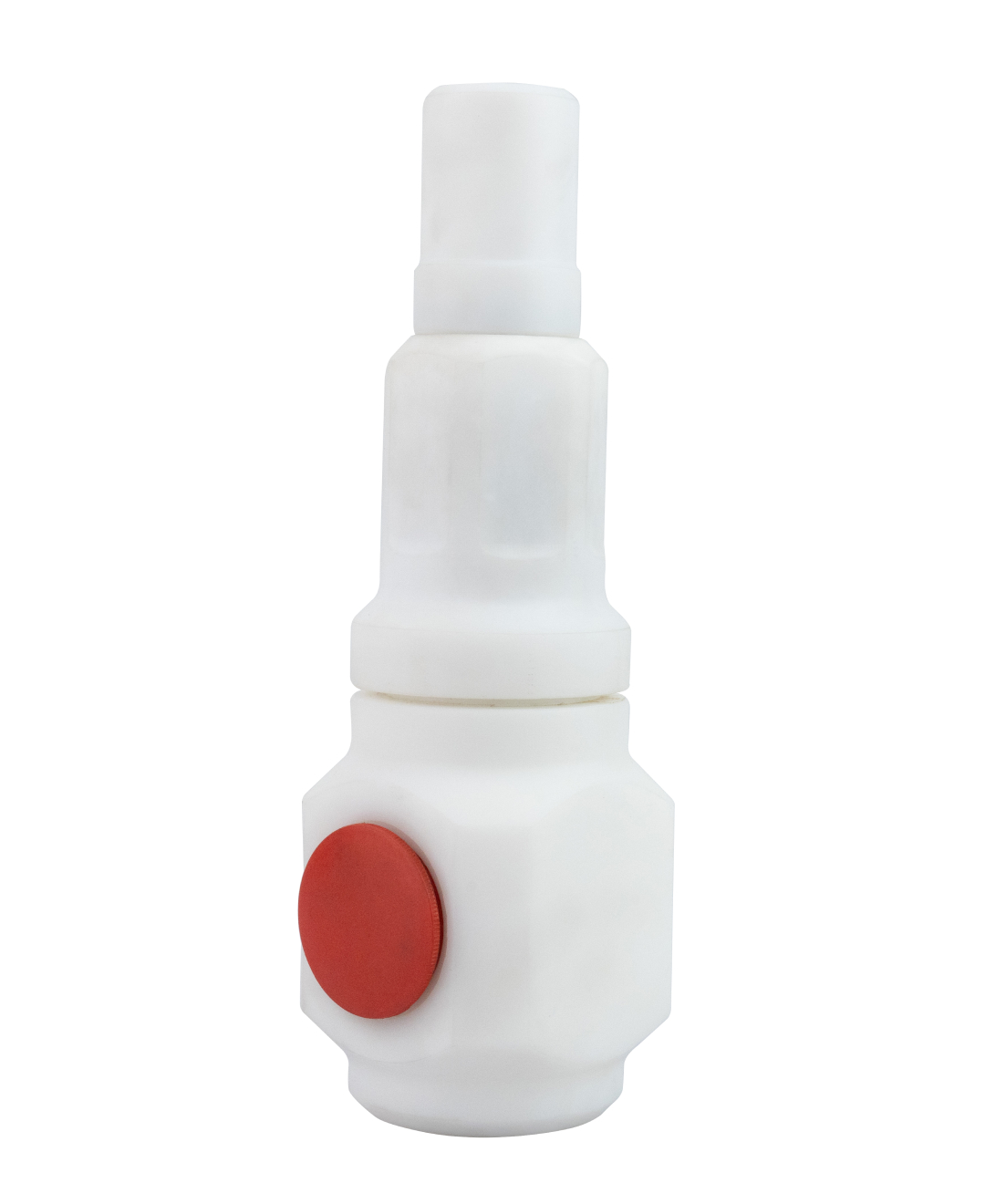
A Pressure Relief Valve (PRV) is a type of safety valve used to control or limit the pressure in a system; excessive pressure might otherwise build up and create a process upset, instrument or equipment failure, explosion, or fire.
Working Principle:
Excess pressure is relieved by allowing the pressurized fluid to flow from an auxiliary passage out of the system. The relief valve is designed or set to open at a predetermined set pressure to protect the equipment from being subjected to pressures that exceed their design limits.
When the working pressure exceeds and reaches the PRV set pressure, the relief valve becomes the "path of least resistance" as the valve is forced open and a portion of the fluid is diverted through the auxiliary route.
As the fluid is diverted, the pressure inside the vessel will stop rising. Once it reaches the valve's reseating pressure, the valve will close. The blowdown is usually stated as a percentage of set pressure and refers to how much the pressure needs to drop before the valve resets.
Material of construction:
- Polypropylene (PP)
- Polyvinyl Chloride (PVC)
- Polyvinylidene Fluoride (PVDF)
- Polytetrafluoroethylene (PTFE)
- Stainless Steel 316 (SS-316)