
Dosing Systems
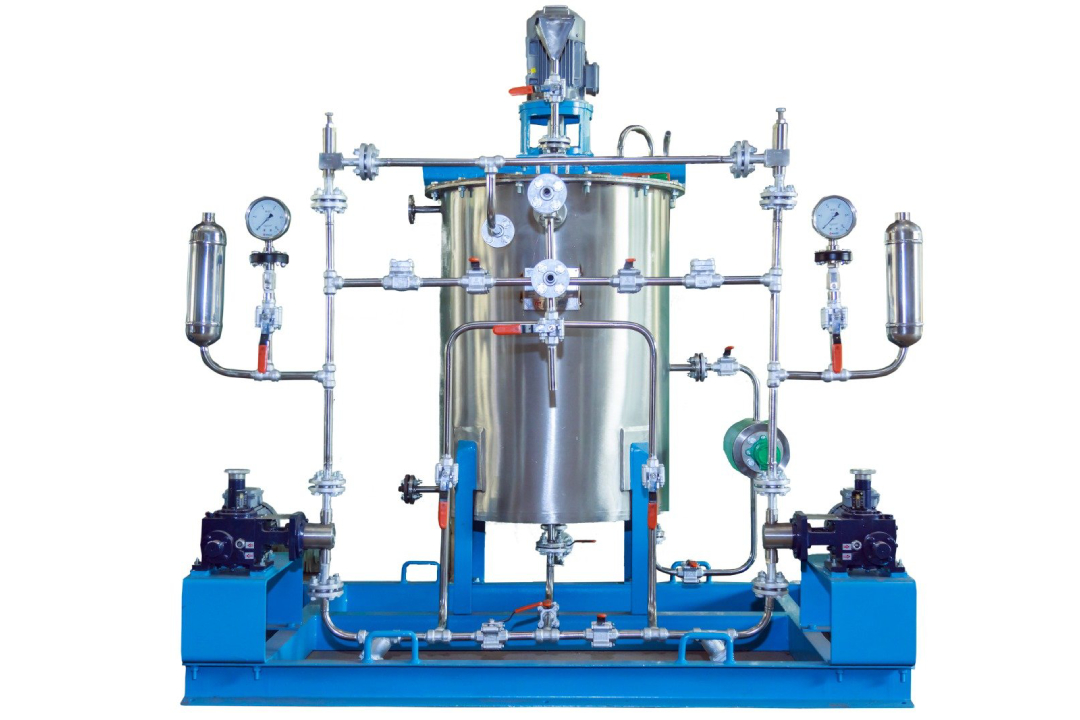
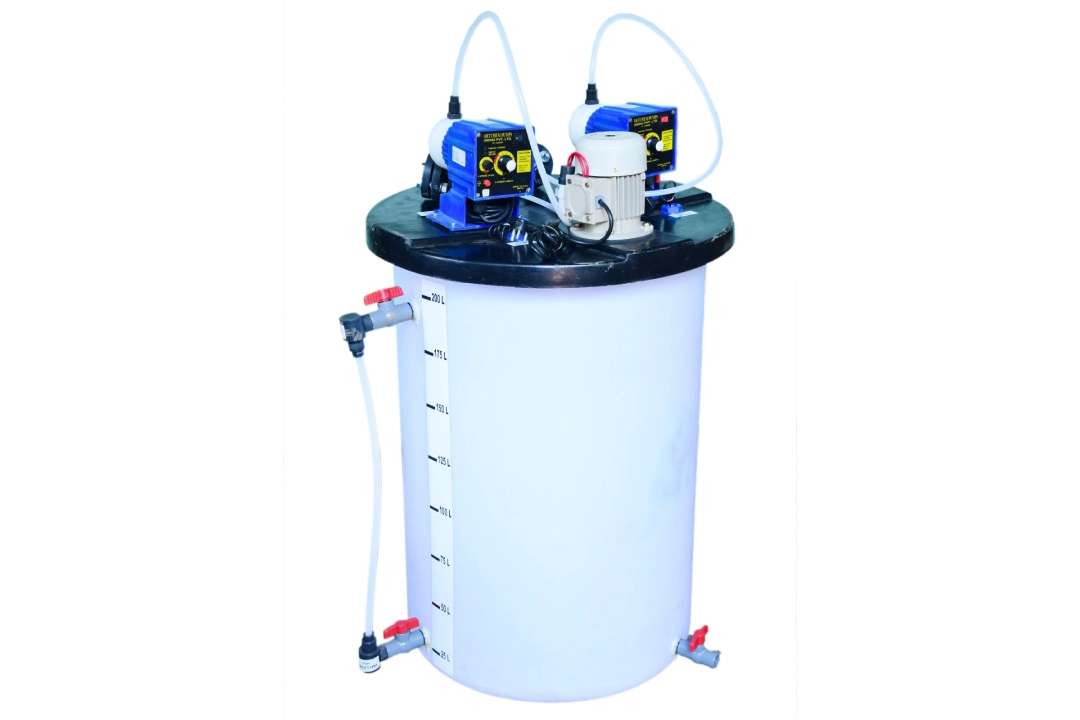
A Dosing System is a mechanism that precisely controls and adds a specific quantity of a substance, often a chemical or liquid, to a process stream. Its primary purpose is to ensure accurate and consistent delivery of the substance, vital for maintaining quality, consistency, and compliance in various industrial applications.
Working Principle:
Dosing systems typically include a dosing pump, a storage tank for the substance, a control system to regulate the dosage, and other accessories like valves, pipes, and injectors. They operate in a closed-loop system, using sensors and controllers to monitor and adjust the dosage in real-time, ensuring accuracy and consistency.
Dosing systems are designed to deliver the exact amount of a substance needed, whether it's a chemical or a liquid, at the right time and location within a process. These systems are used in various industries, including water treatment (adding chlorine, fluoride, etc.), food and beverage production (preservatives, flavour enhancers), pharmaceuticals (drug formulation), and manufacturing (adding additives to materials).
Dosing systems improve efficiency, reduce human error, enhance safety, and contribute to the overall quality and consistency of products.
Material of construction:
- HDPE tanks with piping.
- M.S. tanks with piping.
- S.S. tanks with piping.
Salient Features:
- Accuracy and Precision
- Control and Automation
- Cost-Effectiveness
- Enhanced Safety
- Versatility